
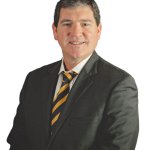
Dr. Joshua Hackel
Josh Hackel, M.D. is a board-certified and fellowship-trained sports medicine physician who specializes in treating musculoskeletal and orthopedic injuries.
Injuries don’t just happen on the field. They show up during workouts, on the job, or even in everyday movement. When something isn’t healing the way it should, targeted treatment can make all the difference.
At Andrews Institute, our sports medicine physicians provide advanced, procedure-based care for joint, tendon, and soft tissue conditions. From image-guided injections to minimally invasive techniques, treatment is designed to relieve pain, restore function, and help you get back to what you enjoy. Based in Gulf Breeze, Florida, we serve patients across the Gulf Coast with a focus on efficient recovery and same-day outpatient care.
Josh Hackel, M.D. is a board-certified and fellowship-trained sports medicine physician who specializes in treating musculoskeletal and orthopedic injuries.
A primary care sports medicine physician focuses on injuries and conditions that affect how your body moves, especially those involving joints, muscles, tendons, and ligaments. Despite the name, this care isn’t limited to athletes. It’s just as relevant for anyone dealing with persistent pain, overuse injuries, or setbacks that interfere with daily activity.
These physicians look closely at how an injury developed, how it’s affecting movement, and what will actually help it improve. In many cases, treatment starts conservatively, but when progress stalls or symptoms continue, more targeted options come into play.
That’s where procedure-based care becomes important. Using tools like ultrasound guidance and minimally invasive techniques, sports medicine physicians can treat the source of pain with precision. At Andrews Institute, these procedures are performed in an outpatient surgical setting, allowing you to return home the same day with a clear plan for recovery.
Not every injury is sudden. Some build over time, while others never fully heal the first time around. Sports medicine focuses on identifying what’s driving the issue and correcting it in a way that supports long-term movement.
Common conditions treated include:
Treatment is always based on how the condition presents, how long it has been developing, and what will help you move forward with confidence.

Ultrasound allows your physician to treat joints, tendons, and soft tissue with real-time precision, helping target the source of pain more accurately.
PRP uses the body’s own healing factors to support recovery in injured or degenerative tissue when symptoms have not improved with rest or standard treatment.
A sports medicine physician evaluates and treats injuries that affect how your body moves, including problems with joints, muscles, tendons, and ligaments. Care often starts with identifying the source of pain and how it developed. From there, treatment may include guided therapy, injections, or minimally invasive procedures designed to relieve pain and restore function.
You might see a sports medicine physician if pain, stiffness, or an injury is limiting your ability to stay active, work comfortably, or return to a routine. This includes issues that have not improved with rest, keep coming back, or are affecting performance or daily movement.
Some sports medicine physicians focus on non-surgical care, while others perform advanced, minimally invasive procedures. At Andrews Institute, sports medicine physicians provide procedure-based treatments in an outpatient surgical setting when more targeted intervention is needed. If a more complex operation is required, they may also coordinate care with orthopaedic surgeons.
Both specialties treat musculoskeletal injuries and conditions that affect movement, pain, and performance. A sports medicine physician often focuses on diagnosing the problem, guiding recovery, and performing targeted procedures such as image-guided injections or minimally invasive treatments. Orthopaedic surgeons perform a broader range of surgical repairs and reconstructions for bones, joints, ligaments, and tendons. Depending on the condition, these specialists may work together to determine the best treatment approach.
If an injury is not improving, keeps returning, or is interfering with your ability to move normally, it’s worth getting evaluated. Early care can help prevent a minor issue from becoming more serious and may reduce the need for more invasive treatment later.