

Dr. James Piorkowski*
James R. Piorkowski, MD is a board certified and fellowship trained orthopedic surgeon with additional board certifications in plastic surgery and general surgery.
Our orthopaedic surgical team provides specialized care for bone, joint, and muscle conditions, helping patients restore movement and reduce pain through advanced outpatient treatment. Based in Gulf Breeze, Florida, Andrews Institute serves patients across the Gulf Coast region and beyond with a recovery-focused approach to orthopaedic care.
James R. Piorkowski, MD is a board certified and fellowship trained orthopedic surgeon with additional board certifications in plastic surgery and general surgery.
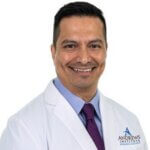
Clinical SpecialtiesOrthopedic SurgeonOrthopedic Trauma Clinical InterestsOrthopaedic Trauma; Pelvic and Complex Fractures; Fracture Care; Malunions/Nonunions; Arthroplasty; Periprosthetic Fractures EducationMedical Degree: Florida State University, Tallahassee, FLResidency: Orlando Regional Healthcare, Orlando, FL CertificationsAmerican Osteopathic Board of Orthopaedic Surgery PublicationsPresentations:Complications of Long Bone Fractures, 26th Annual Surviving Trauma Conference, Pensacola, Fl 2016, 2017 Pelvic Fractures and Treatment, Okaloosa EMS Conference, Fort…
Dr. Travis Roth recently returned home to Gulf Breeze to begin treating patients as an Andrews Institute ASC Physician.
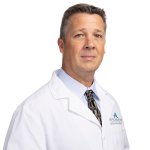
Dr. Steven Seeker is a board-certified, fellowship-trained sports medicine surgeon who specializes in arthroscopy of the shoulder and knee and joint replacements.

Dr. Brett Smith is a board-certified and fellowship-trained orthopaedic surgeon specializing in Total Joint and Adult Reconstruction. His Fellowship, which focused on the most challenging cases of total hip and knee arthroplasty, was under his mentor, Dr. Anthony Hedley, a student of the father of hip replacement surgery, Sir John Charnley. Following Fellowship, he had…
Dr. Steele is a hip and knee replacement specialist and uses the latest robotic technologies to better help his patients recover from surgery and return to their everyday life.
An orthopaedic surgeon is a medical doctor who focuses on problems that affect how your body moves, including bones, joints, muscles, ligaments, and tendons. If pain, injury, or wear and tear is limiting your ability to walk, lift, reach, or stay active, an orthopaedic surgeon helps determine the cause and guides the next steps for treatment.
Care does not always begin with surgery. Your orthopaedic surgeon takes time to evaluate symptoms, review imaging, and understand how a condition affects your daily life. In many cases, treatment may start with non-surgical options such as physical therapy, activity modification, or targeted injections.
When surgery is the most appropriate option, certain orthopaedic procedures can be performed safely in an ambulatory surgery center setting, like the Andrews Institute. This allows patients to return home the same day with a structured recovery plan and ongoing support from their care team.
Movement and joint issues can take many forms, from acute injuries to gradual wear and tear. Orthopaedic care focuses on both the underlying condition and how it affects daily activity, work, or athletic performance. Common conditions treated include:
Hip and knee replacement procedures designed for same-day surgery and recovery at home.

Arthroscopic surgery, ligament repair, and cartilage treatment for knee injury or joint degeneration.
Surgical care for hip pain, labral injuries, and other conditions that limit mobility.
Outpatient surgery for tendon injuries, joint pain, and structural foot and ankle conditions.
Orthopaedic refers to the area of medicine focused on the musculoskeletal system. This includes bones, joints, muscles, ligaments, tendons, and nerves that support movement and physical function. Orthopaedic care helps address injuries, pain, and conditions that affect how your body moves and bears weight.
In medical terms, “ortho” comes from Greek roots meaning “straight” or “correct.” In orthopaedics, it refers to correcting or supporting the structure and function of the musculoskeletal system. You’ll often see it used as shorthand in terms like orthopaedic care, orthopaedic surgery, or orthopaedic specialist.
An orthopaedic injury is any injury that affects the bones, joints, muscles, ligaments, or tendons. This can include fractures, sprains, tendon tears, joint injuries, or damage caused by overuse or repetitive motion. Some injuries happen suddenly, such as from a fall or sports activity, while others develop gradually over time.
You may want to see an orthopaedic doctor if pain, stiffness, or limited movement is interfering with your daily life. This includes pain that does not improve with rest, keeps returning, or makes it difficult to work, exercise, or perform routine activities. Persistent joint pain, swelling, or weakness are also common reasons to seek orthopaedic care.
A referral to an orthopaedic surgeon usually means your provider wants a specialist to evaluate a bone, joint, or muscle condition more closely. This does not always mean surgery is needed. Orthopaedic surgeons also diagnose conditions, recommend non-surgical treatments, and help determine whether a procedure is appropriate based on your symptoms and goals.
Common signs include ongoing joint pain, reduced range of motion, instability, swelling, or pain that worsens with activity. Difficulty walking, lifting, gripping, or returning to normal movement after an injury may also indicate the need for orthopaedic evaluation.
Early signs can be subtle and may include stiffness, aching after activity, clicking or catching in a joint, or mild swelling that keeps returning. Addressing these symptoms early can help prevent further injury and may allow for more conservative treatment options.