
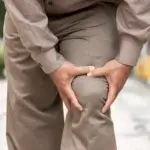
Many people occasionally experience a feeling that their knees are weak, shaky, or unable to fully support their weight. While this sensation can sometimes be temporary, persistent knee weakness may signal an underlying issue involving the muscles, ligaments, or structures that stabilize the joint.
Understanding what weak knees may indicate can help patients determine whether simple strengthening may help or whether it is time to seek specialized evaluation.
What Does It Mean to Have Weak Knees
Weak knees typically describe a sensation of instability or reduced strength in the joint. Some people notice their knees feel shaky when standing up, climbing stairs, or walking for longer periods. Others feel as though their knees might suddenly “give out.”
This sensation can occur when the muscles that support the knee are not providing enough stability. In other cases, the issue may come from irritation or damage within the joint itself. Because the knee is one of the body’s primary weight-bearing joints, even small changes in stability can affect balance, movement, and comfort.
Patients experiencing ongoing symptoms may benefit from evaluation through specialized knee surgery services focused on diagnosing joint instability and restoring knee function.
Why Do My Knees Feel Weak
There are several possible explanations for why knees feel weak or unstable. In many cases, the cause involves the muscles surrounding the joint, particularly the quadriceps and hamstrings. When these muscles become fatigued or deconditioned, the knee may struggle to maintain proper alignment during movement.
Other causes may originate within the joint. Ligament injuries, cartilage damage, or arthritis can change how the knee moves and bears weight. When this happens, patients may experience weakness along with pain, swelling, or stiffness.
Weak Knees Causes: Muscular vs Structural Problems
Determining whether weak knees are caused by muscular weakness or structural damage can help guide the next steps for treatment. Muscular causes usually develop gradually. These may include muscle fatigue, poor conditioning, or imbalances between the muscles that support the knee. In these cases, weakness may appear when standing up, climbing stairs, or walking uphill.
Structural causes involve damage within the knee joint itself. Ligament injuries, meniscus tears, cartilage degeneration, or joint instability can all lead to knees that feel like they may give out. When structural issues are present, symptoms may also include swelling, clicking, locking, or persistent pain.
Patients experiencing these symptoms often benefit from evaluation through specialized knee treatment services that assess both muscular function and joint stability.
Common Symptoms That Accompany Weak Knees
Weak knees rarely occur on their own. Many patients experience additional symptoms that can help identify the underlying cause.
Common symptoms associated with knee weakness include:
- Knees feel weak and shaky during standing or walking
- Knee instability or the sensation the joint may give out
- Pain around the front, sides, or back of the knee
- Difficulty standing up from a seated position
- Reduced strength during physical activity
- Swelling or stiffness after movement
When knee weakness appears alongside pain or instability, it may indicate that the joint requires further evaluation.
Weak Knees When Standing Up or Walking
Some patients notice their knees feel weakest during specific movements, particularly when standing up from a chair, climbing stairs, or starting to walk after sitting.
This type of weakness can occur when the muscles supporting the knee fatigue quickly or when the joint struggles to stabilize during weight-bearing movement. Over time, people may unconsciously adjust how they walk to compensate for the instability.
If knees repeatedly feel weak during everyday activities, it may indicate that the joint is not functioning as efficiently as it should.
Weak Knees Treatment Options
Treatment for weak knees depends on the cause of the instability. For many patients, strengthening the muscles around the knee can significantly improve stability and reduce symptoms. Physical therapy, guided exercise programs, and activity modification often play an important role in recovery.
However, when weakness is linked to ligament injury, cartilage damage, or degenerative joint conditions, additional treatment may be necessary. Orthopaedic specialists evaluate the joint’s stability, assess imaging when appropriate, and create treatment plans tailored to the patient’s condition.
Patients experiencing persistent weakness or knee instability may benefit from evaluation by specialists experienced in knee conditions, including those listed among the Andrews Institute knee surgeons.
When Weak Knees May Require Surgical Treatment
Most cases of knee weakness improve with strengthening, physical therapy, or other non-surgical treatments. However, when knee instability is caused by structural damage such as ligament injuries, cartilage loss, or advanced arthritis, surgical treatment may sometimes be recommended. Procedures may include minimally invasive arthroscopy to address joint damage or joint replacement when the knee has significant degeneration. Specialists at Andrews Institute perform advanced knee surgery and replacement procedures designed to restore stability, reduce pain, and help patients return to normal movement.
A thorough evaluation helps determine whether surgery is necessary or if conservative treatment can effectively improve knee strength and function.
Understanding When to Seek Care
Weak knees can sometimes improve with strengthening and activity changes. However, persistent instability may signal a deeper joint problem that requires medical evaluation.
Recognizing the difference between temporary muscle fatigue and structural knee issues is important. When weakness continues to interfere with daily activities, evaluation from an orthopaedic specialist can help identify the cause and guide appropriate treatment.
Through comprehensive care and advanced diagnostic tools, Andrews Institute helps patients better understand knee instability and develop treatment plans designed to restore strength, stability, and long-term mobility.