
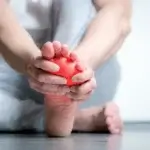
Toe cramps can appear suddenly and cause the toes to curl tightly or feel stuck in place for several seconds or even minutes. While these cramps are often brief, they can be uncomfortable and sometimes happen repeatedly, especially at night or during physical activity. Many people wonder why their toes cramp without warning and whether the issue is simply muscle fatigue or something more complex.
Understanding what may trigger toe cramps can help you find relief and recognize when it may be time to seek evaluation through specialized foot and ankle care available at Andrews Institute.
Why Do My Toes Cramp
Toe cramps occur when the small muscles in the foot contract involuntarily. These muscles help stabilize the toes and support balance during movement. When they tighten suddenly, the toes may curl downward or pull inward, causing a sharp cramping sensation.
Most toe cramps are temporary and related to muscle fatigue, dehydration, or prolonged pressure on the foot. However, recurring toe cramping can sometimes signal underlying issues affecting the muscles, nerves, or joints in the foot.
Common Causes of Toe Cramps
Several factors can contribute to toe cramping and curling. Some causes are related to daily activity or footwear, while others may involve underlying medical conditions.
Common toe cramp causes include:
- Muscle fatigue from walking, running, or standing for long periods
- Dehydration or electrolyte imbalance, which can affect muscle function
- Tight or unsupportive shoes that place pressure on the toes
- Nerve irritation affecting the foot or ankle
- Circulation issues that reduce blood flow to the muscles
Because the foot contains many small joints and muscles, even minor strain can lead to sudden toe cramps.
Toe Cramps at Night
Many people notice toe cramps at night while sleeping or resting. These nighttime cramps may wake you suddenly with a tight, painful contraction in the toes or the arch of the foot.
Toe cramps while sleeping often occur when the foot stays in one position for a long period. Dehydration, fatigue, and muscle overuse during the day can also increase the likelihood of nighttime cramps.
Stretching the foot gently or changing sleeping position may help reduce these episodes. However, frequent nighttime cramps may indicate that the muscles or nerves in the foot are under strain.
Big Toe Cramp and Toe Curling
A big toe cramp can feel particularly intense because the big toe plays a major role in balance and push-off when walking. When the muscles controlling the big toe tighten suddenly, the toe may curl downward or pull inward.
Toe curling and cramping can also occur when the tendons in the foot become irritated or when structural changes affect how the foot distributes weight. Over time, repeated cramping may cause discomfort during walking or standing.
Understanding where pain or cramping occurs in the foot can sometimes provide clues about the underlying cause. Location-based symptoms can be explored further using tools like a foot pain chart, which helps identify patterns linked to different foot conditions.
How to Stop Toe Cramps
Occasional toe cramps can often improve with simple self-care steps that relax the muscles and reduce strain on the foot.
Helpful ways to stop toe cramps include:
- Gently stretching the toes and arch of the foot
- Massaging the cramping muscle to improve circulation
- Hydrating throughout the day to support muscle function
- Wearing supportive footwear that allows proper toe movement
- Taking breaks from repetitive activities that strain the foot
For people who experience frequent cramping, improving foot strength and flexibility may also help prevent recurring episodes.
When Toe Cramping May Need Medical Evaluation
Most toe cramps are harmless and resolve quickly. However, recurring cramps or toe curling that becomes painful may signal underlying issues involving the muscles, nerves, or joints of the foot.
Symptoms that may warrant evaluation include:
- Frequent or worsening toe cramps
- Cramping that interferes with walking or daily activities
- Persistent toe curling or stiffness
- Foot pain that accompanies cramping
Specialists who focus on foot and ankle conditions can assess how the muscles, tendons, and joints in the foot are functioning and determine whether further treatment may help relieve symptoms.
Understanding When to Seek Care
Occasional toe cramps may be related to muscle fatigue or dehydration. However, repeated cramping, persistent toe curling, or pain in the foot may indicate that the muscles or joints are under ongoing stress.
At Andrews Institute, specialists evaluate foot and ankle conditions to determine whether toe cramps are related to muscle strain, nerve irritation, or structural problems within the foot. With proper diagnosis and treatment, many patients can reduce recurring cramping and improve comfort through comprehensive foot and ankle care tailored to their condition.