

When wrist or hand pain begins to cause numbness, tingling, or weakness, many people immediately assume it must be carpal tunnel syndrome. While carpal tunnel is common, it is not the only condition that can cause these symptoms. In fact, several hand and wrist problems share similar warning signs, which can sometimes lead to confusion or delayed diagnosis.
If you have wrist pain that does not seem to improve, it may be worth asking a different question: Is it really carpal tunnel, or could it be something else? Specialists who focus on hand and wrist conditions often evaluate patients with symptoms that appear similar to carpal tunnel but actually stem from other nerve or tendon problems.
Why Wrist Conditions Are Sometimes Misdiagnosed
Carpal tunnel syndrome occurs when the median nerve becomes compressed as it passes through the carpal tunnel in the wrist. This compression can lead to tingling, numbness, weakness, or burning sensations in the hand and fingers.
However, these symptoms are not unique to carpal tunnel syndrome. Other nerve compression conditions and tendon injuries can affect similar areas of the hand, producing symptoms that feel nearly identical. Because of this overlap, people sometimes experience what feels like carpal tunnel but later discover the cause is different.
Understanding which conditions are commonly mistaken for carpal tunnel can help patients recognize when their symptoms may require a more thorough evaluation.
Condition #1: Ulnar Nerve Compression
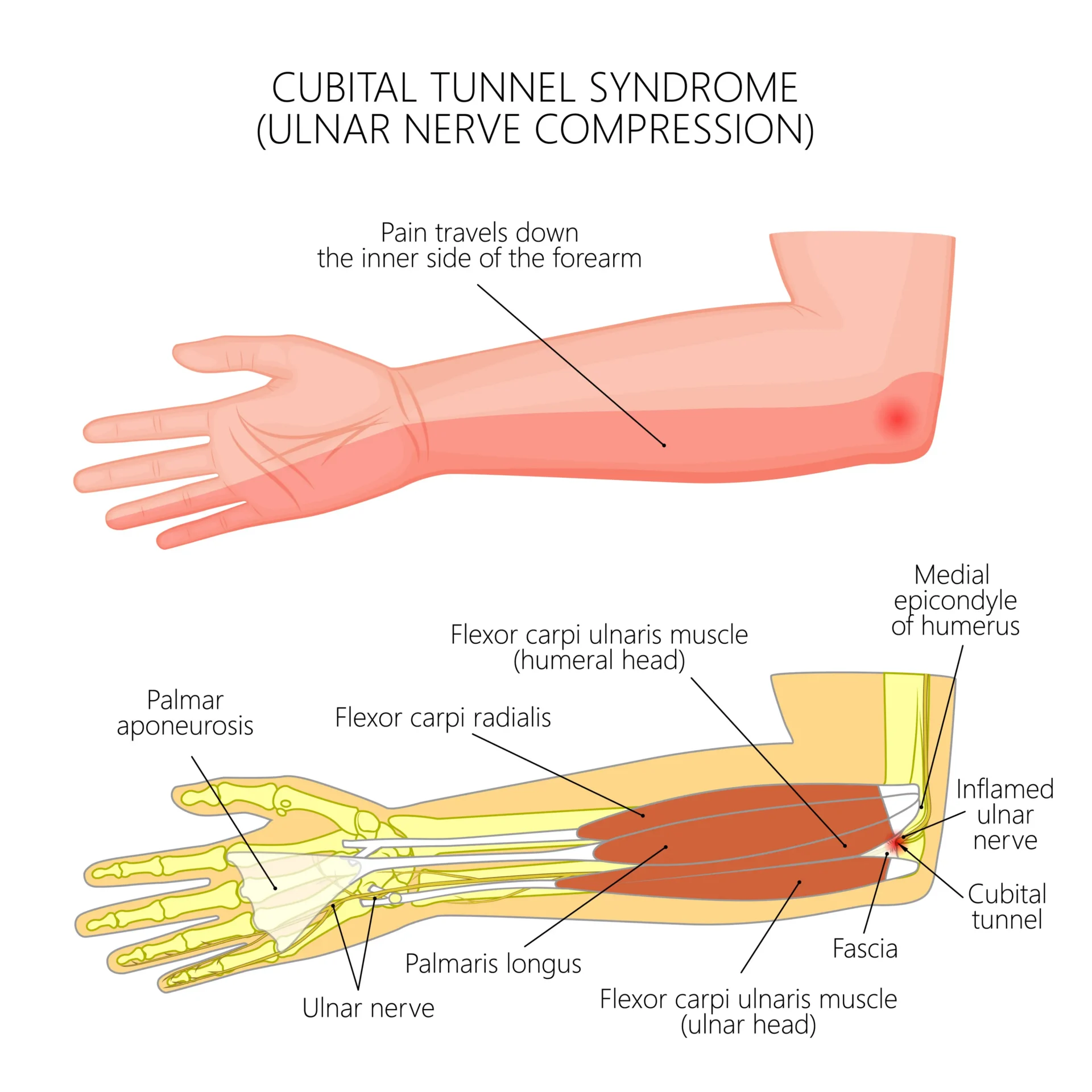
One condition frequently mistaken for carpal tunnel syndrome involves the ulnar nerve, which travels along the inner side of the arm and into the hand. When this nerve becomes compressed or irritated, it can cause numbness, tingling, or weakness in the hand.
Unlike carpal tunnel syndrome, which mainly affects the thumb, index, and middle fingers, ulnar nerve compression typically causes symptoms in the ring finger and pinky finger. Some people also experience weakness when gripping objects or difficulty performing fine motor tasks.
Pain may also appear along the inner side of the wrist or forearm. In certain cases, this discomfort can develop gradually as the nerve becomes irritated during repetitive movements or prolonged pressure on the wrist. Conditions involving the ulnar nerve are often evaluated and treated through targeted ulnar wrist pain treatment when symptoms persist.
Condition #2: Tendon Injuries and Repetitive Strain
Another issue that can mimic carpal tunnel symptoms is tendon inflammation or repetitive strain injury (RSI). These problems occur when the tendons responsible for moving the wrist and fingers become irritated due to overuse.
People who type frequently, use tools, or perform repetitive hand motions may develop tendon irritation that causes wrist pain, stiffness, and weakness. The discomfort may radiate into the hand or fingers, making it feel similar to nerve-related pain.
This is one reason some patients search online for answers like “carpal tunnel or something else.” While tendon problems may cause pain in the hand that feels similar to carpal tunnel, the underlying issue is not nerve compression but inflammation within the tendon structures.
Signs Your Wrist Pain Might Not Be Carpal Tunnel
Certain symptoms can sometimes suggest that wrist pain may be caused by something other than carpal tunnel syndrome.
These may include:
- Numbness primarily affecting the pinky or ring finger
- Pain located on the outer or inner side of the wrist
- Wrist pain that worsens with specific movements rather than numbness
- Weak grip strength without typical carpal tunnel tingling patterns
Recognizing these differences can help guide the next step toward proper diagnosis.
Why Accurate Diagnosis Matters
When wrist pain is treated as carpal tunnel syndrome without confirming the diagnosis, the underlying issue may continue to worsen. Conditions involving tendon irritation, nerve compression outside the carpal tunnel, or joint instability require different treatment approaches.
Specialists who focus on advanced hand and wrist care evaluate symptoms, perform physical examinations, and may recommend imaging or nerve testing to identify the exact cause of pain. This type of evaluation helps determine whether symptoms are truly related to carpal tunnel or another condition affecting the hand and wrist.
When to See a Specialist
Occasional wrist discomfort may resolve with rest, activity modification, or changes in ergonomics. However, persistent numbness, tingling, weakness, or pain in the hand should not be ignored.
If symptoms continue for several weeks, interfere with daily activities, or worsen over time, evaluation by a specialist can help determine whether the issue involves carpal tunnel syndrome or another condition that affects the nerves, tendons, or joints of the wrist.
Through comprehensive hand and wrist treatment, specialists at Andrews Institute evaluate conditions that may be mistaken for carpal tunnel and help patients find the right path toward relief and restored hand function.