
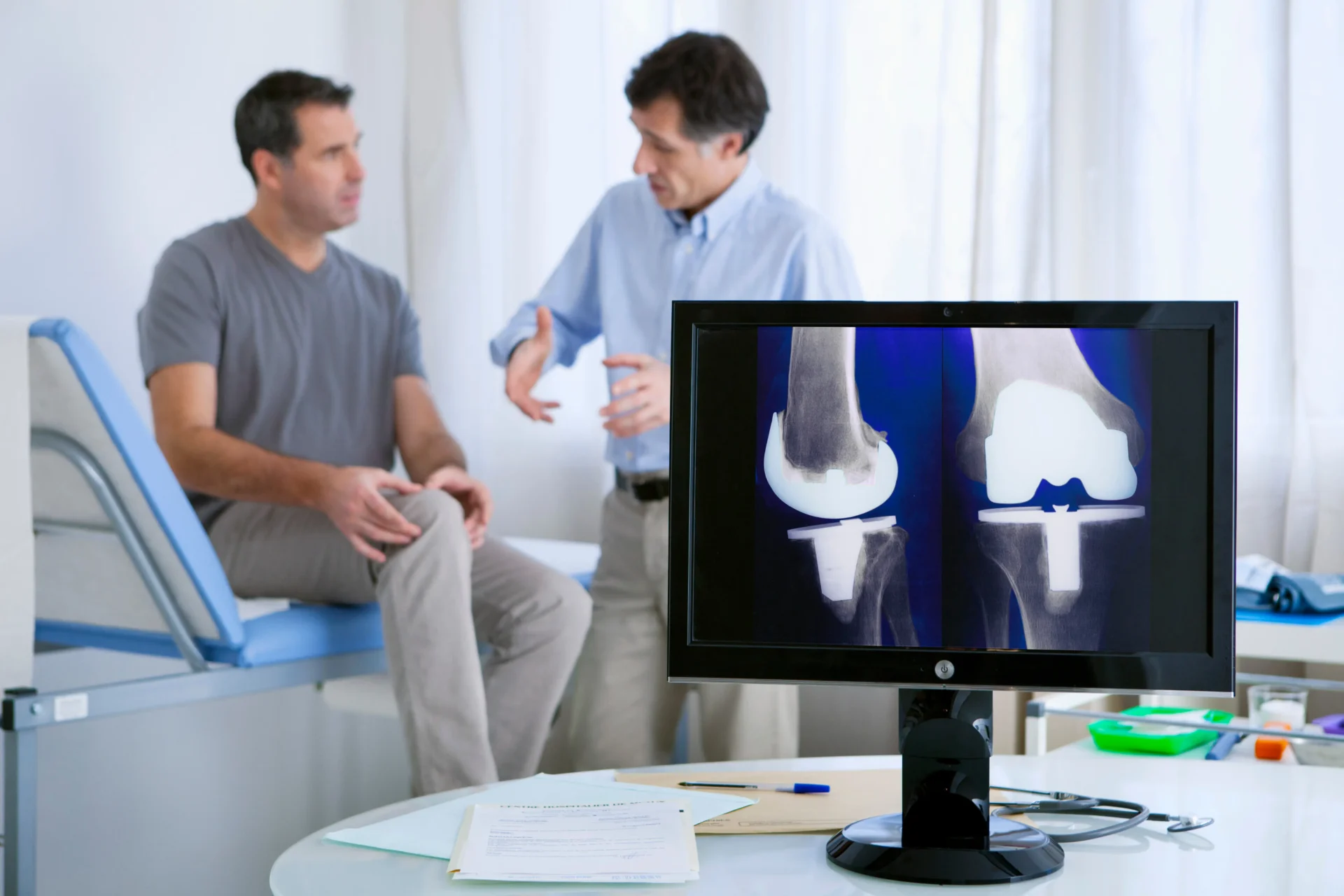
Understanding Your Options Beyond Knee Replacement
Knee pain from arthritis or joint damage can make everyday movement difficult, but surgery is not always the first step. Many patients look for knee replacement alternatives to manage pain, improve mobility, and delay or avoid surgery when possible. With the right approach, it is often possible to reduce symptoms and maintain function through a combination of non-surgical treatments tailored to the individual.
At Andrews Institute, care is personalized based on the severity of joint damage, activity level, and long-term goals, helping patients explore effective options before considering surgery.
Non-Surgical Knee Replacement Alternatives
For many people, non-surgical knee pain treatment can provide meaningful relief, especially in the earlier stages of arthritis or joint degeneration. These approaches focus on reducing inflammation, improving strength, and supporting joint stability.
Common alternatives to knee replacement include:
- Physical therapy to strengthen muscles that support the knee and improve alignment
- Activity modification to reduce strain on the joint while staying active
- Anti-inflammatory medications to manage pain and swelling
- Bracing or support devices to improve stability during movement
- Weight management to reduce pressure on the knee joint
These strategies are often the first line of treatment and can help delay the need for surgery when symptoms are manageable.
Injection-Based and Minimally Invasive Treatments
When basic conservative care is not enough, additional options may help relieve pain without full joint replacement. Injection-based therapies can reduce inflammation and improve joint function for a period of time.
These may include:
- Corticosteroid injections to reduce inflammation and pain
- Viscosupplementation to improve joint lubrication
- Platelet-rich plasma (PRP) or similar regenerative approaches
Some patients also explore options like nerve-based treatments, such as knee ablation, which may help reduce pain signals. While these are not permanent solutions, they can be effective for managing symptoms and improving quality of life.
Knee Repair Without Surgery: When It May Be Possible
In certain cases, knee repair without surgery may be achievable through targeted rehabilitation and careful management of joint stress. This is more likely when cartilage loss is limited or when symptoms are primarily related to inflammation rather than severe structural damage.
Non-invasive knee treatment can help patients stay active and maintain strength, but it does not reverse advanced arthritis. For individuals with more significant joint deterioration, these approaches may provide temporary relief rather than long-term resolution.
When Knee Replacement Becomes the Best Option
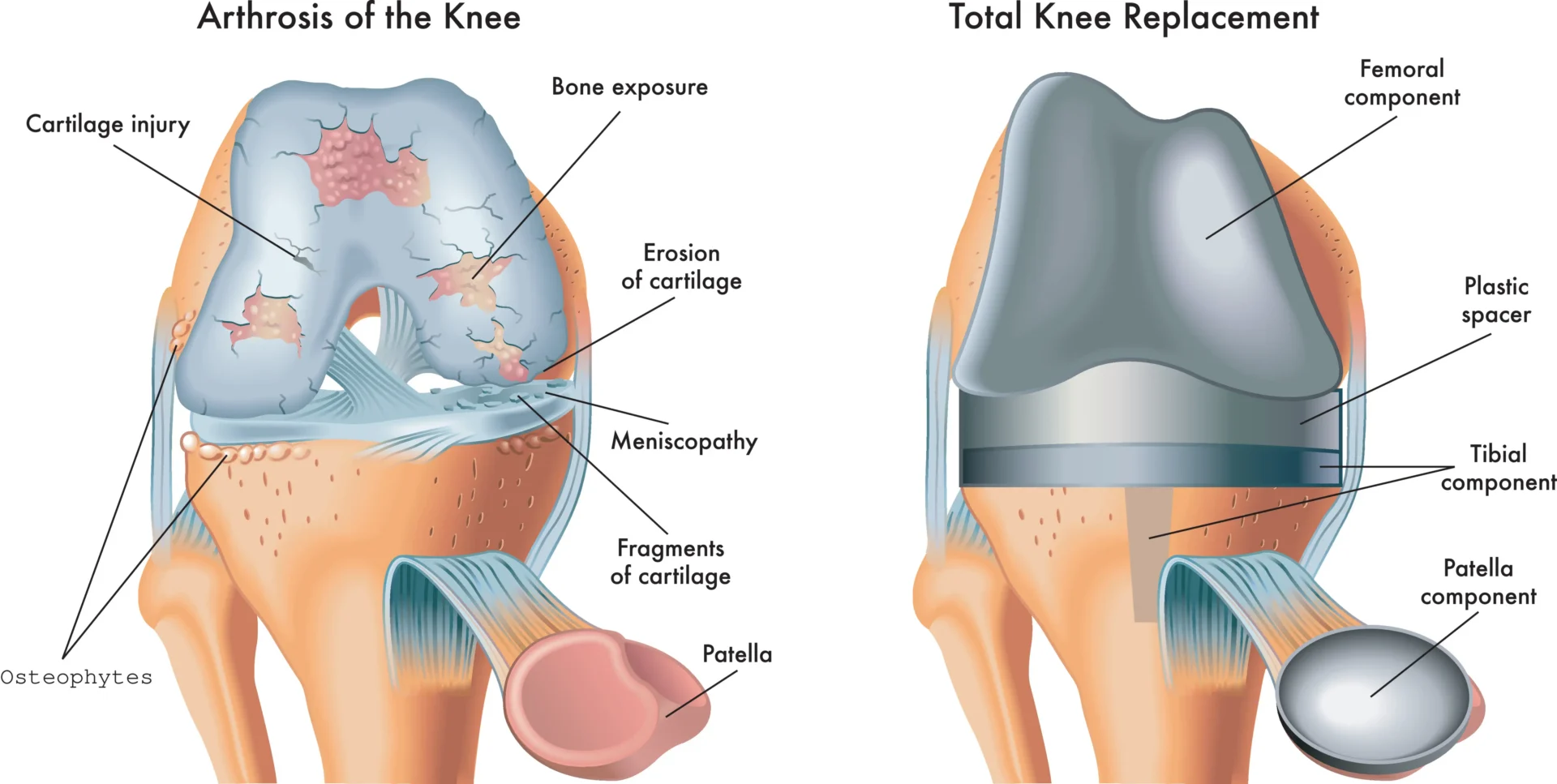
While there are many alternatives to knee surgery, there comes a point when conservative care may no longer provide adequate relief. Persistent pain, limited mobility, and difficulty performing everyday activities are often signs that the joint has reached an advanced stage of degeneration.
For patients with bone-on-bone arthritis or severe joint damage, knee replacement may offer the most reliable long-term solution. Modern procedures are designed to restore joint function, reduce pain, and help patients return to daily activities with improved comfort.
At Andrews Institute, advanced techniques such as Mako robotic knee replacement allow for precise joint resurfacing and personalized surgical planning, supporting improved outcomes and recovery.
Outpatient Knee Replacement and Advanced Surgical Options
Today, many knee replacement procedures can be performed in an outpatient setting, allowing patients to return home the same day. This approach can reduce hospital stays and support a more comfortable recovery environment.
Andrews Institute offers advanced knee surgery and replacement options designed to improve mobility while minimizing disruption to daily life. For patients who are no longer finding relief from non-surgical treatments, these procedures provide a structured path toward long-term improvement.
Finding the Right Approach for Your Knee Pain
Choosing between knee replacement alternatives and surgery depends on how the condition affects daily life. Some patients benefit from extended non-surgical care, while others reach a point where joint replacement becomes the most effective solution.
A thorough evaluation helps determine the severity of joint damage and the most appropriate treatment path. At Andrews Institute, knee surgeons guide patients through both conservative care and surgical options, helping them make informed decisions based on their needs.
For those exploring next steps, comprehensive care is available through knee treatment and advanced total joint replacement programs designed to restore mobility and reduce long-term knee pain.